10 Most Toxic Ingredients You Should Never Eat
Whether you're crushing a fitness goal or simply aiming for a healthier lifestyle, what you don't eat can matter just as much as what you do. Some hidden ingredients and additives aren't just "junk"—they may be silently undermining your health.
Here's what to watch out for.
⚠️ Why This Matters
✅ According to a study, more than 50% of packaged foods in the U.S. contain three or more additives
✅ Many chemical additives are cleared through a "generally recognized as safe (GRAS)" loophole, meaning some compounds have limited independent review
✅ Exposure to heavy metals, endocrine-disrupting chemicals, and artificial additives is increasingly linked to fatigue, hormone imbalances, metabolic disruption, and long-term disease risks
In short: If you're serious about results—fat loss, muscle preservation, longevity—your ingredient game matters. Let's get into the worst offenders.
🚫 The Top 10 Toxic Ingredients
Here are ten ingredients many nutrition & health professionals recommend avoiding or minimizing because of their documented risks:
1. Potassium Bromate
Used in: Some baked goods to improve dough
Risk: Listed as a possible human carcinogen by several sources
💡 Tip: Avoid breads and baked goods unless the label explicitly says "no potassium bromate."
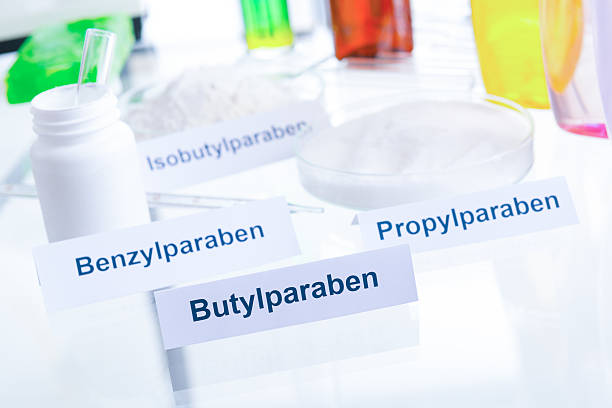
2. Propyl Paraben
Used in: Tortillas, pastries, and packaged goods
Risk: Linked in animal studies to hormonal and reproductive issues
💡 Tip: Read label ingredients for "-paraben".
3. BHA & BHT (Butylated Hydroxyanisole / Butylated Hydroxytoluene)
Used in: Cereals, snack foods, and processed meats
Risk: Some evidence for carcinogenic potential
💡 Tip: If you see BHA or BHT, opt for fresher / less-processed alternatives.
4. Titanium Dioxide (Food-Grade)
Used in: Color additive in candies, creams, sauces (makes whites more vivid)
Risk: Concerns around DNA damage and cellular stress
💡 Tip: If label lists "E171" or titanium dioxide, treat it as a warning flag.
5. Artificial Food Dyes (Red 3, Red 40, Yellow 5, Yellow 6, Blue 1, Blue 2, Green 3)
Used in: Candies, cereals, processed snacks
Risk: Linked to behavioral issues in children, hormone disruption, and other negative outcomes
💡 Tip: Avoid brightly colored snack-foods unless naturally dyed (like beet or spinach extract).
6. High-Fructose Corn Syrup (HFCS) & Excess Added Sugars
Used in: Sodas, processed foods, desserts, condiments
Risk: While not a single "ingredient" like those above, these sugar-rich additives amplify metabolic damage, fat storage, insulin disruption, and inflammation
💡 Tip: Read the nutrition panel—if "added sugar" is high and HFCS is listed first or second, steer clear.
7. Hydrogenated / Partially Hydrogenated Oils (Trans Fats)
Used in: Historically in processed snacks and baked goods to extend shelf-life
Risk: Raises LDL ("bad") cholesterol, lowers HDL, linked to heart disease
💡 Tip: If "partially hydrogenated oil" appears on label, avoid it.
8. Heavy Metals / Contaminants (Lead, Arsenic, Cadmium, Mercury) in Foods
Found in: Rice, seafood, cereals, some produce
Risk: Many everyday foods have detectable levels of heavy metals. Over time exposure adds up
💡 Tip: Choose variety in your diet; rotate protein/carbs/vegetables to minimize accumulation.
9. Bisphenols (BPA) / Phthalates in Food Packaging & Additives
Found in: Canned goods, plastic packaging, fast-food items
Risk: Chemicals from packaging can leach into foods, especially fatty foods. Linked to hormone disruption, obesity, and metabolic problems
💡 Tip: Choose fresh, unpackaged or glass-packaged foods where possible.
10. "Forever Chemistry" Contaminants (PFAS, PFCs) in Foods & Packaging
Found in: Wide range of foods and packaging materials (especially fast food)
Risk: Recent research found PFAS compounds (which don't break down) linked to cancer, liver/kidney disease, immune problems, hormone disruption
💡 Tip: Minimize ultra-processed foods, avoid microwaving plastics, favor whole, fresh foods and low-packaging options.
🧹 How to Detox Your Diet (Without Going Crazy)
Here are some practical steps you can implement today:
✅ 1. Read Every Label
Focus on ingredient lists, not just calories. If you see any of the ingredients above—skip it.
✅ 2. Shop the Perimeter
Whole foods (lean proteins, veggies, fruits, legumes) = less hidden additives.
✅ 3. Rotate Carbs & Proteins
Prevent heavy-metal build-up by mixing up rice, quinoa, oats, sweet potatoes, beans.
✅ 4. Prioritize Packaging
Glass or BPA-free containers where possible; avoid microwaving plastics or canned fatty foods.
✅ 5. Limit Ultra-Processed Foods
These are the usual suspects for many of the toxic ingredients listed.
✅ 6. Increase Antioxidants & Fiber
These support your body's detox systems. Think greens, berries, legumes.
✅ 7. Stay Hydrated & Move
A functioning body expels toxins far more efficiently when you push fluids and keep active.
🏛️ Why This Matters for Your Healthy Temple Journey
Since you're working on losing weight, maintaining muscle, and improving health outcomes (especially if you're using medications like Ozempic or hormone therapy), toxins matter big time.
✅ Toxin burden can slow fat loss, impair hormone balance, reduce energy, and blunt recovery
✅ Maintaining muscle during your journey demands optimal internal environment—fewer additives = fewer disruptions in metabolism, recovery, and nutrient absorption
✅ For longevity and health span (one of our core missions at Healthy Temple), reducing exposure to these harmful ingredients supports healthier aging, increased vitality, and a better quality of life
🎯 Final Word
You don't have to be perfect—but you do need to be smart. Minimizing exposure to these ten toxic ingredients aligns powerfully with your goals of fat loss, muscle retention, improved health, and longer life.
👉 Start today:
Go through your pantry, clear out the obvious offenders, replace with cleaner energy sources, and elevate your lifestyle.
Your body is your temple—treat it that way.